
Old blog posts are valuable assets that can continue driving traffic and generating leads if they are regularly updated. Unfortunately, many bloggers focus only on publishing new content while ignoring older articles. Over time, search engine algorithms change, competitors improve their content, statistics become outdated, and rankings begin to decline.
Fortunately, artificial intelligence has transformed the content updating process. Today, free AI tools can analyze existing articles, identify outdated information, improve readability, optimize keywords, generate new sections, refresh titles, and even suggest internal links within minutes.
Instead of rewriting every article manually, AI helps you save hours of work while improving your chances of ranking higher on Google.
In this comprehensive guide, you’ll discover the best free AI tools to refresh old blog posts, how to use them effectively, and proven SEO strategies that can help increase organic traffic without creating brand-new content.
Why Updating Old Blog Posts Matters
Google prefers content that remains accurate, relevant, and useful.
Refreshing older articles offers several benefits:
- Improves search rankings
- Increases organic traffic
- Updates outdated statistics
- Matches current search intent
- Fixes broken links
- Adds recent examples
- Improves readability
- Optimizes for new keywords
- Increases user engagement
- Boosts click-through rates
Many SEO experts report that updating existing content often produces faster ranking improvements than publishing completely new articles.
How AI Makes Content Refreshing Easier
Instead of manually checking every paragraph, AI tools can:
- Detect outdated information
- Rewrite weak paragraphs
- Improve grammar
- Simplify complex writing
- Generate new FAQs
- Suggest better headings
- Add missing keywords
- Improve SEO structure
- Create meta descriptions
- Recommend internal linking opportunities
Tasks that once required several hours can now be completed in less than thirty minutes.
Signs Your Blog Needs Updating
Consider refreshing your content if you notice:
- Falling organic traffic
- Declining keyword rankings
- Outdated screenshots
- Broken links
- Old statistics
- Poor readability
- Thin content
- Low engagement
- High bounce rate
- Missing FAQs
If your article is over a year old, reviewing it is generally a good practice.
Best Free AI Tools to Refresh Blog Posts
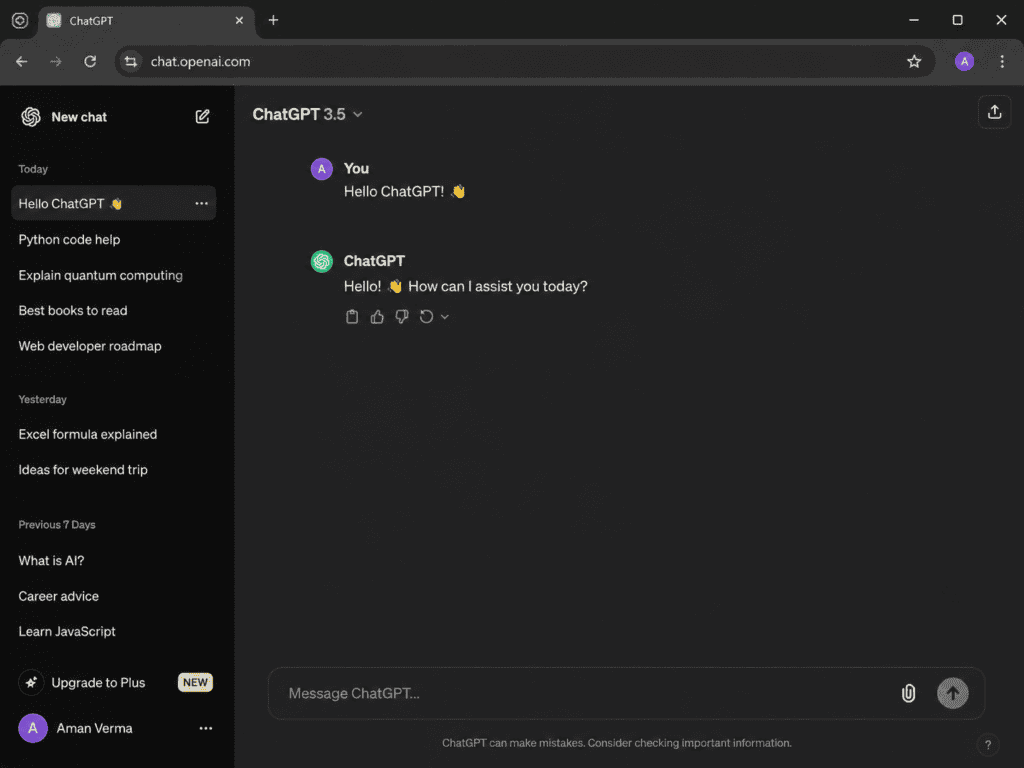
1. ChatGPT Free
ChatGPT is one of the most versatile AI assistants for updating blog content.
It can:
- Rewrite outdated paragraphs
- Improve clarity
- Generate FAQs
- Suggest SEO improvements
- Create engaging introductions
- Expand thin sections
- Improve conclusions
- Generate meta descriptions
Best Features
- Natural writing
- Multiple tone options
- Fast editing
- Excellent brainstorming
- Content expansion
Pros
- Free version available
- Easy to use
- Excellent quality
- Supports many writing styles
Cons
- Requires fact-checking
- Doesn’t automatically analyze live webpages
2. Grammarly Free
While Grammarly is known for grammar checking, it also improves readability and writing quality.
Features include:
- Grammar correction
- Sentence clarity
- Tone suggestions
- Punctuation fixes
- Readability improvements
Better readability often leads to improved user engagement, which supports SEO performance.
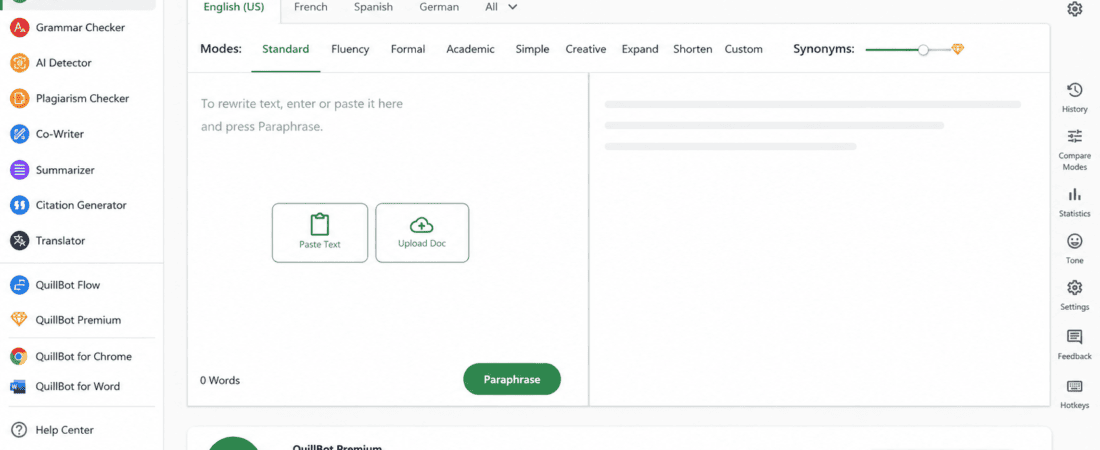
3. QuillBot
QuillBot is ideal for rewriting outdated sections without changing their original meaning.
It offers:
- Paraphrasing
- Grammar checking
- Summarizing
- Tone adjustment
- Fluency improvements
Different writing modes help maintain originality while enhancing readability.
4. Google Gemini
Google Gemini assists bloggers in modernizing older content by generating updated information, fresh ideas, and improved article structures.
Useful for:
- New subheadings
- Content expansion
- FAQ creation
- Keyword ideas
- Updated examples
Gemini works particularly well when refreshing informational content.
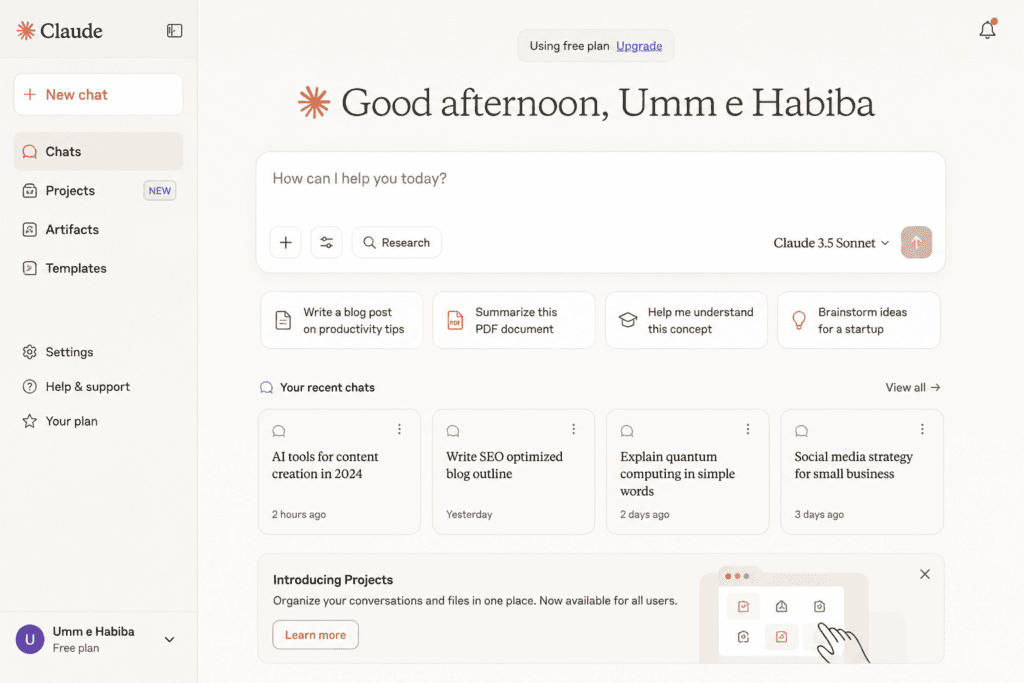
5. Claude AI
Claude excels at editing long-form content while preserving a consistent tone throughout the article.
It helps with:
- Long article rewriting
- Content organization
- Readability
- Smooth transitions
- Logical structure
For lengthy guides exceeding 2,000 words, Claude can maintain coherence during extensive revisions.
How AI Helps Improve SEO
Modern AI tools can enhance multiple on-page SEO elements, including:
- Keyword placement
- Heading hierarchy (H1–H3)
- Meta descriptions
- Title optimization
- Image alt text suggestions
- Internal linking ideas
- Readability scores
- Content completeness
These improvements make your articles more valuable for both readers and search engines.
Should You Rewrite Everything?
No.
Updating a blog post is usually more effective than replacing it entirely.
Focus on:
- Outdated facts
- Weak introductions
- Missing keywords
- Thin sections
- Old screenshots
- Broken links
- New FAQs
- Better conclusions
Maintaining the core topic while improving quality helps preserve existing SEO value.
6. Writesonic
Writesonic is an AI writing assistant designed for bloggers, marketers, and businesses that want to improve their content quickly. It is especially useful when updating old blog posts because it can rewrite sections, optimize content for SEO, and generate engaging introductions or conclusions.
Best Features
- AI article rewriter
- SEO-friendly content generation
- Blog outline creator
- Paragraph expander
- Headline generator
- Meta description generator
Pros
- Beginner-friendly interface
- Fast content rewriting
- Multiple writing templates
- Free plan available
Cons
- Limited credits on the free version
- Some generated content requires editing
7. Copy.ai
Copy.ai helps bloggers refresh outdated content without starting from scratch. It generates fresh ideas while keeping your article relevant to current SEO trends.
Ideal For
- Rewriting introductions
- Improving call-to-actions
- Creating summaries
- Writing FAQ answers
- Refreshing old paragraphs
Why Bloggers Like It
Instead of manually rewriting every sentence, Copy.ai provides multiple versions, allowing you to choose the one that best matches your writing style.
8. Hemingway Editor
Good SEO isn’t only about keywords—it also depends on readability.
Hemingway Editor helps by highlighting:
- Long sentences
- Complex words
- Passive voice
- Hard-to-read paragraphs
- Unnecessary adverbs
Google rewards content that provides a good user experience, making readability an important ranking factor.
Benefits
- Improves user engagement
- Reduces bounce rate
- Makes articles easier to scan
- Enhances readability score
9. Rank Math Content AI (Free Features)
If you’re using WordPress, Rank Math provides useful AI-assisted SEO recommendations.
It can help you:
- Improve keyword usage
- Optimize headings
- Increase content coverage
- Improve title optimization
- Add missing SEO elements
Combined with manual editing, Rank Math becomes a powerful optimization tool.
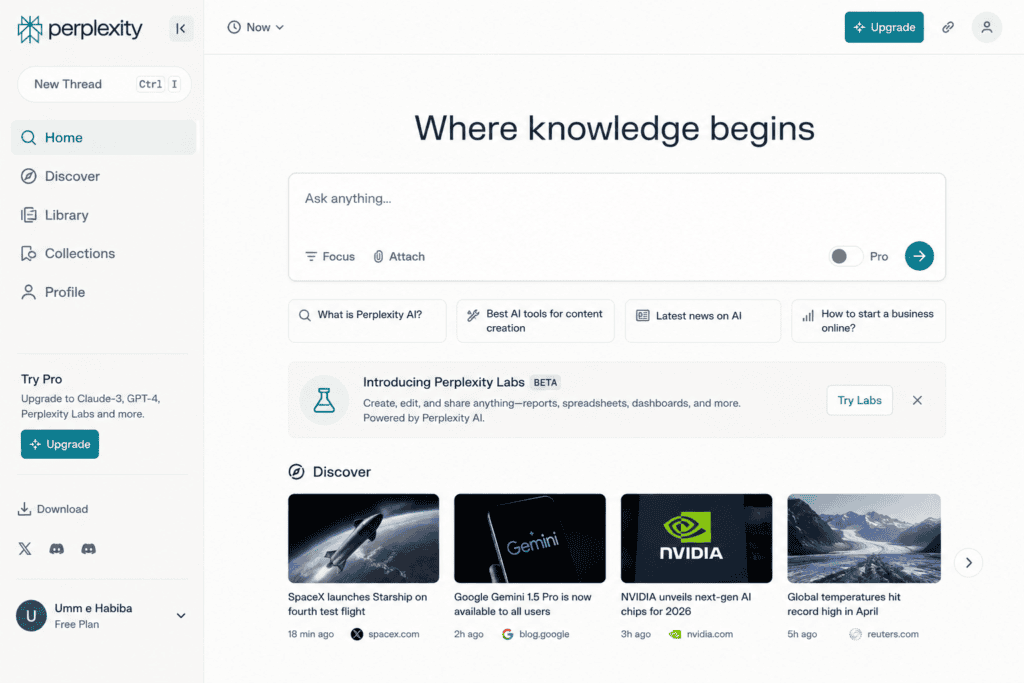
10. Perplexity AI
Perplexity AI is excellent for researching updated facts, recent trends, and new statistics before refreshing old content.
Instead of searching dozens of websites, you can ask:
- Latest SEO statistics
- AI industry updates
- New Google ranking factors
- Recent software features
- Updated market trends
Always verify important information with authoritative sources before publishing.
Step-by-Step Process to Refresh Old Blog Posts Using AI
Refreshing content is much more than rewriting a few paragraphs. Follow this structured workflow to maximize SEO improvements.
Step 1: Identify Underperforming Articles
Use tools like:
- Google Search Console
- Google Analytics
- Bing Webmaster Tools
Look for posts with:
- Declining impressions
- Falling clicks
- Lower keyword rankings
- High bounce rates
- Reduced organic traffic
These articles usually provide the biggest opportunity for quick SEO gains.
Step 2: Analyze Competing Content
Search your target keyword on Google and examine the top-ranking pages.
Compare:
- Content length
- Headings
- FAQs
- Images
- Tables
- Statistics
- Internal links
Identify missing information in your own article.
Step 3: Ask AI to Audit Your Blog
Paste your article into ChatGPT or another AI assistant and use prompts like:
- “Suggest outdated sections.”
- “Improve readability.”
- “Rewrite this paragraph naturally.”
- “Recommend new headings.”
- “Generate additional FAQs.”
- “Identify missing SEO topics.”
This provides a quick roadmap for improving the article.
Step 4: Update the Introduction
Older introductions often feel generic or outdated.
AI can rewrite them to:
- Better match user intent
- Include your primary keyword
- Increase reader engagement
- Improve click retention
A strong introduction encourages visitors to continue reading, which can positively influence user engagement metrics.
Step 5: Expand Thin Content
Many older posts contain only 500–800 words, which may not fully satisfy search intent.
Use AI to add:
- Examples
- Case studies
- Practical tips
- New sections
- FAQs
- Expert insights
- Recent trends
Aim to provide comprehensive coverage of the topic rather than simply increasing word count.
Step 6: Update Keywords Naturally
Keyword stuffing no longer works.
Instead:
- Add semantic keywords
- Include related search terms
- Use question-based phrases
- Optimize H2 and H3 headings
- Refresh image alt text
Natural language improves both readability and SEO.
Step 7: Refresh Internal Links
Internal linking helps search engines understand your website structure.
AI can suggest:
- Related blog posts
- Pillar pages
- Supporting articles
- Relevant anchor text
For example, if you have a blog on AI image generators, link it from related articles discussing AI design tools.
Step 8: Add Fresh FAQs
Google often rewards comprehensive content.
AI can generate helpful FAQs such as:
- Which AI tool is best for updating blogs?
- How often should blog posts be refreshed?
- Does updating content improve rankings?
- Can AI rewrite old articles?
- Is AI-generated content good for SEO?
Adding FAQs also increases the chances of appearing in Google’s “People Also Ask” section.
SEO Best Practices When Updating Blog Posts
Follow these proven techniques to maximize your results:
Keep the Same URL
Changing your URL can cause ranking losses and broken backlinks.
Only change the URL if absolutely necessary.
Update the Publish Date
If your CMS supports it, display the updated date after making meaningful improvements.
This signals freshness to readers and can improve click-through rates.
Improve Meta Title
Your meta title should:
- Include the primary keyword
- Stay within 50–60 characters
- Be compelling and clear
- Encourage clicks
Example:
Free AI Tools to Update Old Blog Posts for Better SEO
Rewrite the Meta Description
An effective meta description should:
- Include the target keyword
- Explain the article’s value
- Encourage users to click
- Stay under 160 characters
Optimize Images
Update older visuals by:
- Compressing images
- Using descriptive file names
- Writing keyword-rich alt text
- Replacing outdated screenshots
- Adding modern graphics or infographics
Images improve user engagement and can drive additional traffic from image search.
Add More Internal Links
Link to:
- Related tutorials
- Product reviews
- Beginner guides
- Category pages
- Cornerstone content
This keeps visitors on your website longer and distributes link equity.
Comparison of Free AI Tools for Blog Refreshing
| Tool | Best For | Free Version | SEO Support |
|---|---|---|---|
| ChatGPT | Rewriting & Expansion | ✅ | ⭐⭐⭐⭐⭐ |
| Grammarly | Grammar & Readability | ✅ | ⭐⭐⭐⭐ |
| QuillBot | Paraphrasing | ✅ | ⭐⭐⭐⭐ |
| Google Gemini | Research & Content Ideas | ✅ | ⭐⭐⭐⭐⭐ |
| Claude AI | Long-form Editing | ✅ | ⭐⭐⭐⭐⭐ |
| Writesonic | SEO Writing | ✅ | ⭐⭐⭐⭐ |
| Copy.ai | Marketing Copy | ✅ | ⭐⭐⭐⭐ |
| Hemingway Editor | Readability | ✅ | ⭐⭐⭐⭐ |
| Rank Math | WordPress SEO | Partial | ⭐⭐⭐⭐⭐ |
| Perplexity AI | Research | ✅ | ⭐⭐⭐⭐⭐ |
Pro Tips for Better Rankings
- Refresh your top-performing articles every 6–12 months.
- Replace outdated statistics with current data.
- Add new examples and screenshots where relevant.
- Improve headings to match current search intent.
- Expand sections that competitors cover better.
- Optimize for featured snippets by answering common questions clearly.
- Review and fix broken internal and external links.
- Ensure the article is mobile-friendly and loads quickly.
These ongoing updates help keep your content competitive and relevant in search results.
Common Mistakes to Avoid When Updating Blog Posts
Updating old content can significantly improve SEO, but certain mistakes may hurt your rankings instead of helping them.
1. Deleting High-Ranking Sections
If a section is already performing well, avoid removing it unnecessarily. Instead, enhance it with updated information, examples, or visuals.
2. Overusing AI Without Editing
AI-generated content should always be reviewed by a human. Fact-check information, improve the tone, and ensure the article aligns with your brand voice.
3. Keyword Stuffing
Adding your target keyword repeatedly makes content unnatural and can negatively affect user experience.
Instead:
- Use synonyms
- Add semantic keywords
- Write naturally
- Focus on solving the reader’s problem
4. Ignoring Search Intent
If users are searching for practical guides, don’t provide only theoretical information.
Understand what readers expect before updating the article.
5. Forgetting Internal Links
Many bloggers update the text but forget to add links to newer articles on their website.
Internal linking helps:
- Search engines crawl your site
- Users discover more content
- Increase page views
- Improve topical authority
6. Keeping Outdated Statistics
Old numbers reduce trust.
Always replace outdated:
- Research
- Market data
- Industry reports
- Software features
- SEO trends
Use reliable and recent sources whenever possible.
7. Not Updating Images
Modern visuals improve engagement.
Replace:
- Old screenshots
- Low-quality graphics
- Outdated interfaces
- Blurry images
Add descriptive alt text containing relevant keywords.
How Often Should You Refresh Blog Posts?
The ideal schedule depends on your niche.
Every 3–6 Months
Update articles related to:
- AI tools
- SEO
- Technology
- Software
- Digital marketing
- News-based topics
Every 6–12 Months
Refresh:
- Tutorials
- How-to guides
- Product reviews
- WordPress tips
- Blogging advice
Once Per Year
Review evergreen content such as:
- Basic SEO concepts
- Writing tips
- Beginner guides
- General educational articles
Regular updates signal freshness and keep your content competitive.
AI Prompts to Refresh Old Blog Posts
You can save time by using effective prompts with AI tools like ChatGPT, Gemini, or Claude.
Prompt 1
Rewrite this blog section in a more engaging and SEO-friendly way without changing its meaning.
Prompt 2
Add missing information that competitors are likely covering.
Prompt 3
Suggest five new H2 headings to make this article more comprehensive.
Prompt 4
Generate ten FAQs related to this topic using natural language.
Prompt 5
Improve this introduction to capture readers’ attention within the first paragraph.
Prompt 6
Find weak paragraphs and rewrite them for better readability.
Prompt 7
Suggest relevant internal linking opportunities for this article.
Prompt 8
Recommend semantic keywords that naturally fit into this blog post.
Frequently Asked Questions (FAQs)
Are free AI tools good enough for updating blog posts?
Yes. Free AI tools can effectively rewrite paragraphs, improve readability, suggest SEO enhancements, and generate fresh ideas. However, always review and fact-check the output before publishing.
Can AI improve Google rankings?
AI itself does not improve rankings. High-quality, accurate, and user-focused content does. AI simply helps you create and optimize that content more efficiently.
Is it better to update old posts or publish new ones?
Both strategies are valuable. Updating existing posts can produce quicker SEO improvements, while publishing new content helps expand your site’s topical coverage.
Will Google penalize AI-generated content?
Google does not penalize content simply because AI assisted in creating it. What matters is that the content is helpful, original, accurate, and satisfies user intent.
How long does it take to see SEO improvements?
Depending on your website’s authority and crawl frequency, improvements may become visible within a few weeks, though some changes can take several months to fully impact rankings.
Which free AI tool is best overall?
ChatGPT remains one of the most versatile options for rewriting, expanding, and optimizing blog posts. Combining it with Grammarly, Google Gemini, and QuillBot provides an effective free workflow.
Final Thoughts
Refreshing old blog posts is one of the most cost-effective ways to improve your website’s SEO. Instead of letting valuable content lose visibility over time, use free AI tools to modernize, expand, and optimize your articles.
A successful content refresh involves more than rewriting text. Update outdated information, improve readability, optimize headings and keywords, strengthen internal linking, refresh images, and ensure your content fully satisfies current search intent.
By combining AI-powered writing assistants with sound SEO practices, you can extend the lifespan of your existing content, attract more organic traffic, and build stronger topical authority without having to publish entirely new articles every day.
Whether you’re a beginner blogger or an experienced content marketer, regularly updating your best-performing articles should be a key part of your long-term SEO strategy.
Conclusion
Old blog posts are valuable assets that deserve ongoing attention. Rather than allowing them to become outdated, use free AI tools to keep them relevant, informative, and optimized for modern search engines.
A consistent content refresh strategy can improve rankings, increase traffic, enhance user experience, and maximize the return on the time you’ve already invested in creating content.
Start by identifying underperforming articles, use AI to enhance them, and monitor the results through analytics. Over time, these incremental improvements can contribute significantly to sustainable organic growth.
Check Out here if you want to know about How to Create Unique Typography Designs Using Free AI Vector Toolsn